01 — Start with the city
One northern label, many food cultures
“Nordic” is useful as a broad geographic signpost, but it is not a single cuisine or a guarantee of one particular kind of restaurant. Denmark, Sweden, Norway and Finland have distinct food histories, ingredients, languages and dining customs. Even within each country, a capital city and a smaller coastal or inland community can feel worlds apart.
In Copenhagen, a curious visitor might compare a lively neighborhood café, a contemporary dining room and a long-running local restaurant rather than looking for one definitive expression of the city. Stockholm’s islands and districts create their own contrasts; the shape of a meal can change with the setting and the people around the table. Oslo’s relationship with the coast and its changing urban neighborhoods offers another angle. Helsinki brings its own Finnish context, with influences and habits that should not be folded into a generic Scandinavian picture.
Smaller destinations can be rewarding precisely because the local context is more visible. Before choosing a place, notice what is around it: a market, a residential street, a harbor, a working cultural district. The area can provide clues about who eats there and what kinds of food traditions matter locally. It is a starting point, not a promise about what any single menu will contain.
02 — Food and season
Contemporary cooking has more than one root
Some Nordic dining conversations focus on contemporary cooking and a close attention to ingredients. That lens can be interesting, but it is only one thread. Familiar everyday dishes, migration, trade, preservation traditions and regional ingredients also shape what people eat. Contemporary kitchens may interpret local produce in new ways while drawing on techniques that have practical histories: preserving, curing, fermenting or making the most of a short growing season.
Seasonality is worth asking about, especially when you are travelling between regions or visiting at a different time of year. It does not mean every restaurant changes its entire offer with the weather, and it should not be treated as a marketing guarantee. Instead, it is a useful prompt: What is grown or gathered nearby? How does the kitchen work with the season? Is the menu rooted in local routines, or does it take a more international direction? Both approaches can be thoughtful.
Dining habits vary, too. A long planned meal and a spontaneous neighborhood stop are different experiences. Opening patterns, reservation expectations and menu formats can vary by venue and season; check the restaurant’s own current information before setting out. We do not publish invented hours, prices or booking availability.
03 — Atmosphere is not a cuisine
Read the room without relying on a stereotype
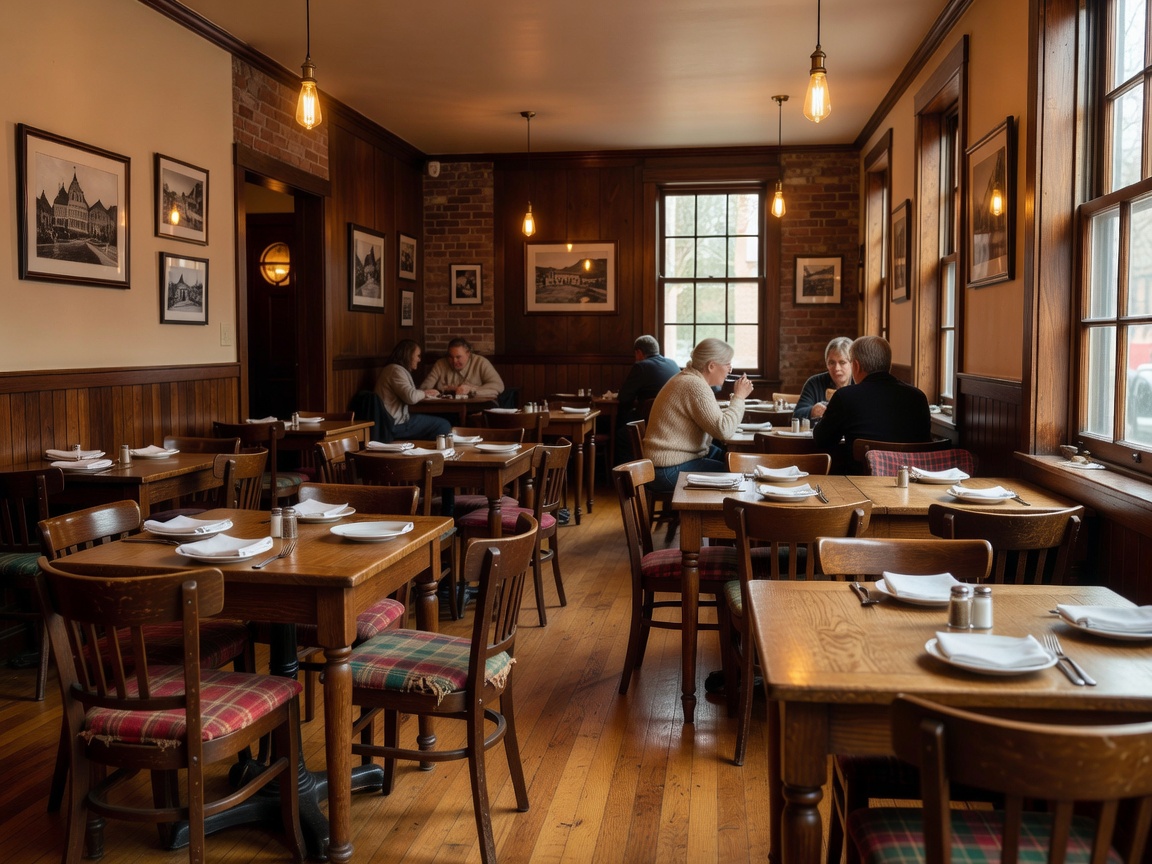
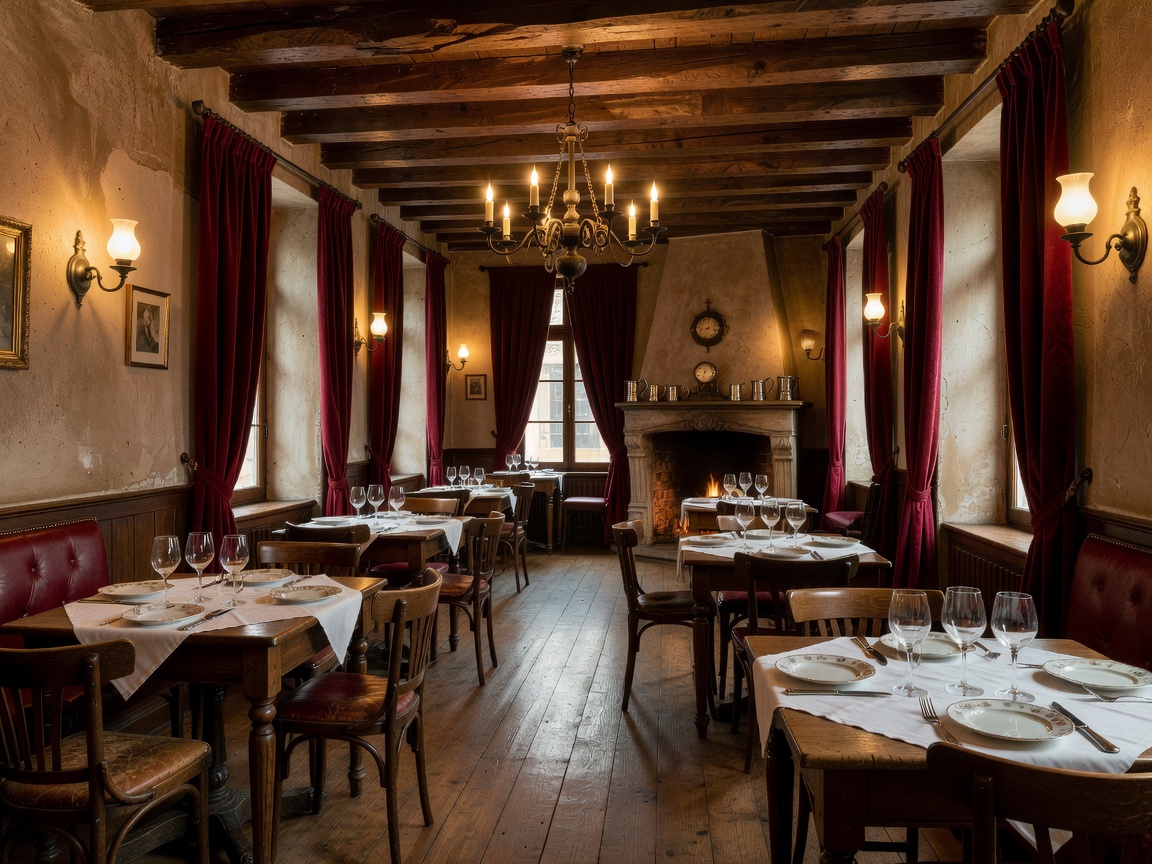
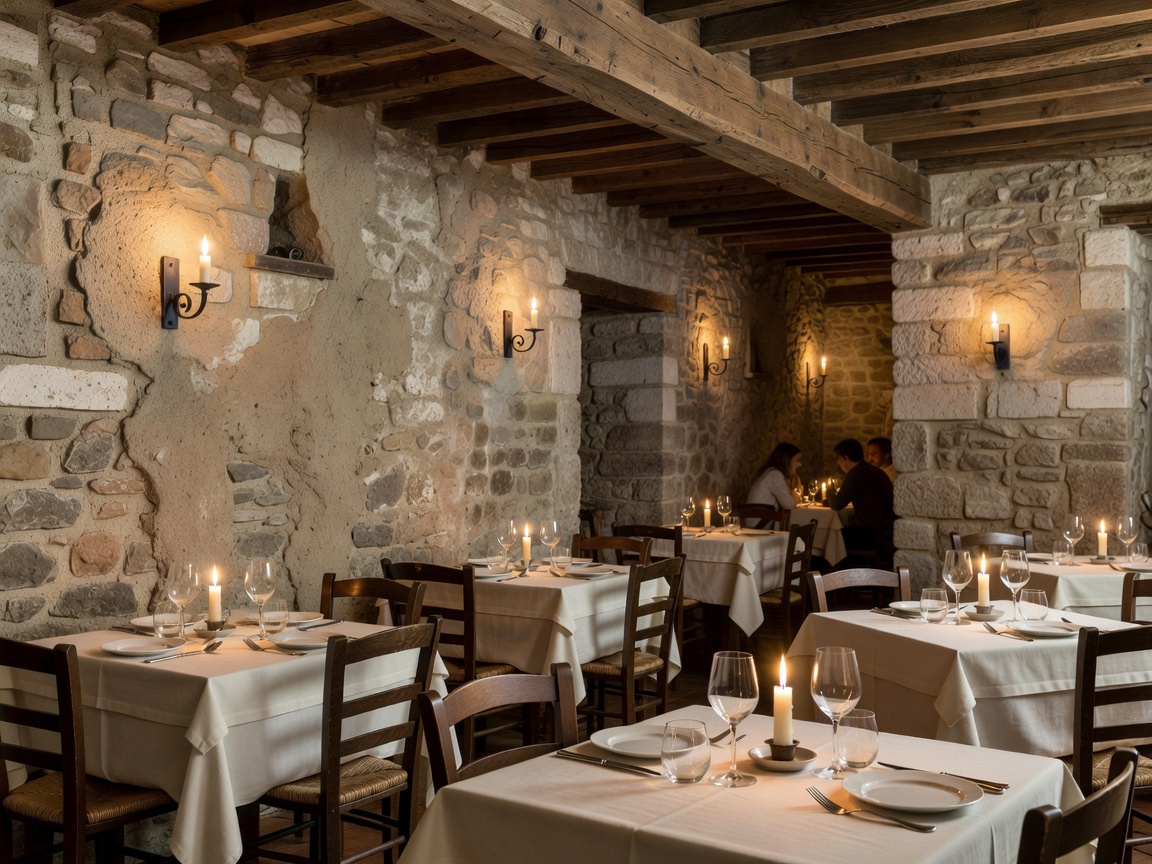
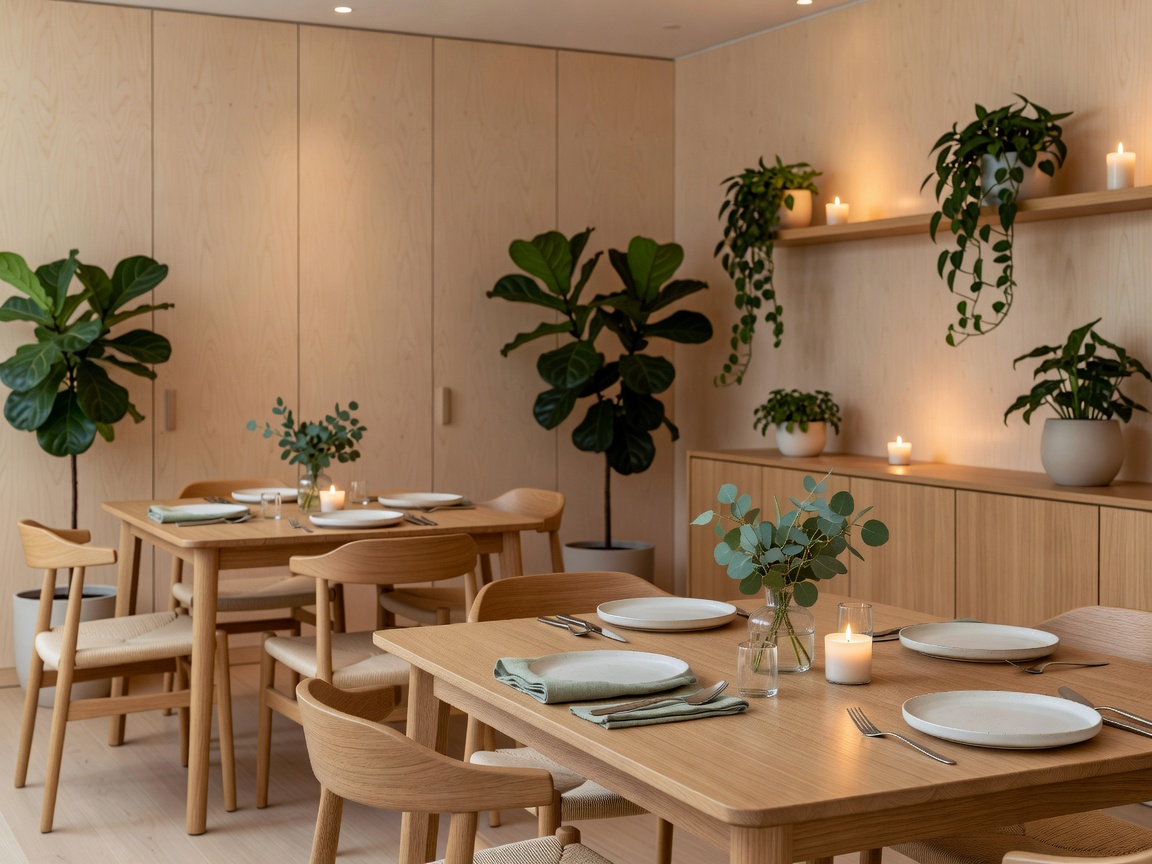
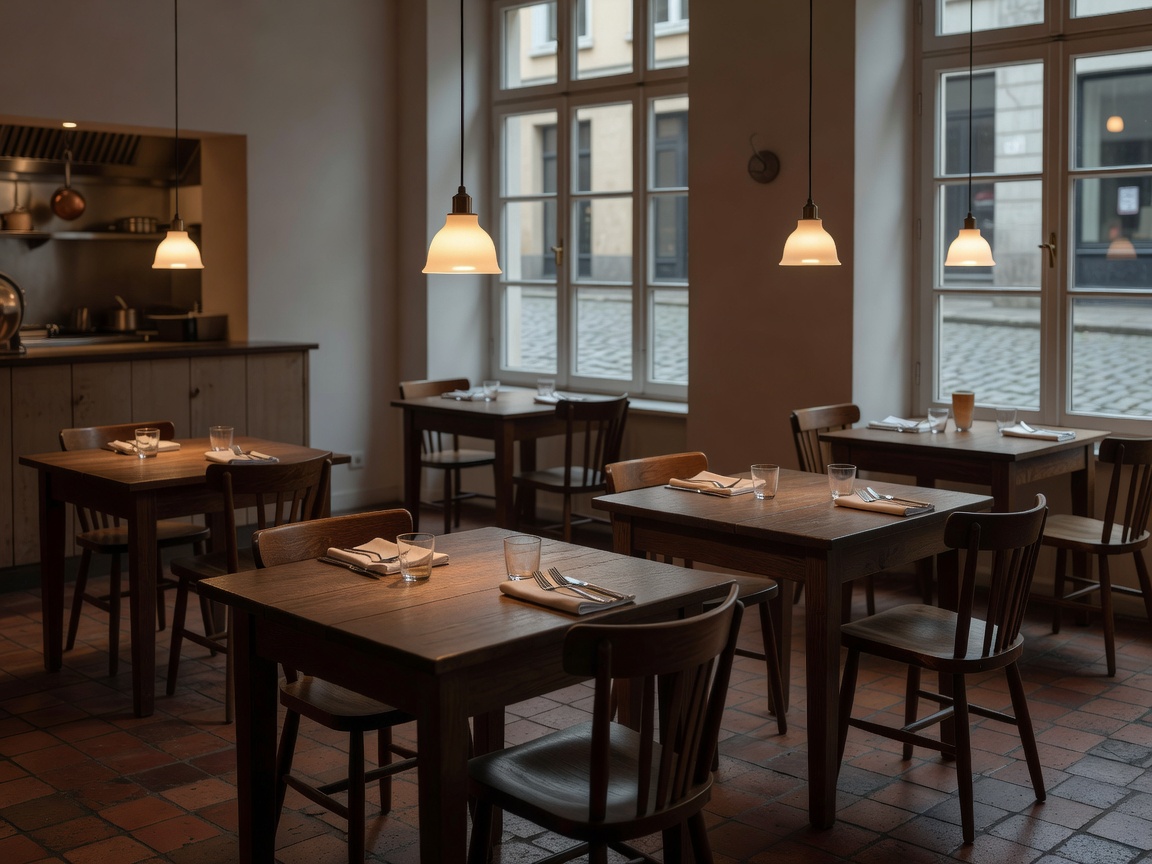
Minimal interiors are sometimes associated with northern design, but a restrained room is not universal—and it does not tell you whether a meal will feel formal, relaxed, traditional or experimental. A warm timber room, an old neighborhood café, a bright contemporary space and a small counter can all belong in a Nordic discovery itinerary. Notice acoustics, seating, pace and how the room sits within its street. Atmosphere is a real part of choosing, but it is personal.
Try looking beyond the most photographed blocks. Walk a little farther from a central square, follow a street used by residents, or explore a district with a mix of homes, workshops and everyday services. A local market can help you understand produce and routine even if you do not eat there. Ask trusted local sources for suggestions that match your preferences, then check accessibility, menu details and current opening information directly. “Hidden” should never mean inaccessible by design or impossible to verify.
Why this route works
- City and neighborhood differences make regional comparisons meaningful.
- Seasonal context can add depth to a meal without defining it.
- Smaller venues can offer a more intimate sense of place.
Keep in mind
- Nordic is a broad label, not a fixed menu style.
- Quiet interiors are not proof of local character.
- Season, access and current venue details need checking.
04 — Plan with curiosity
A useful way to choose
Begin with the kind of evening you want: a casual meal, a focused regional experience, a conversation at a counter or a room where you can linger. Then compare neighborhoods and food styles rather than relying only on online popularity. Read the restaurant’s own description, scan the menu if it is available, and consider whether the setting suits your group, mobility needs and budget. If you have dietary requirements, contact the venue directly; this guide cannot confirm what a kitchen can accommodate.
Where you can, leave room for an unplanned coffee or market stop. A trip becomes more grounded when dining is part of a day’s route rather than an isolated checklist. It is also fair to remember that a lesser-known place is not automatically better, more authentic or more welcoming. Discovery is subjective. The point is to find a table that fits your interests and gives you a useful connection to where you are.
Good for
Travellers who enjoy comparing urban neighborhoods, seasonal approaches and a range of dining-room atmospheres—from contemporary spaces to everyday local rooms.
What to know
This is an editorial overview, not a live restaurant directory. Confirm menus, access, reservations and opening details with a venue before visiting. No restaurant affiliation or endorsement is implied.