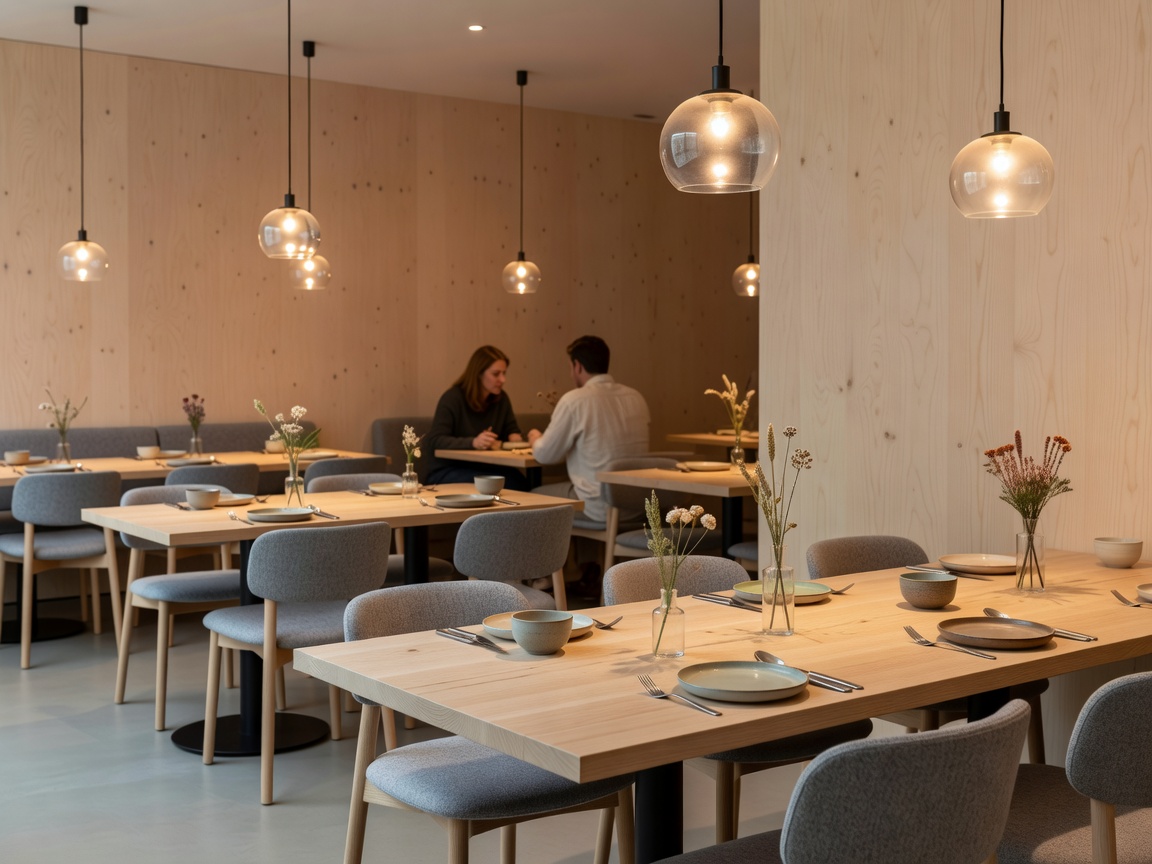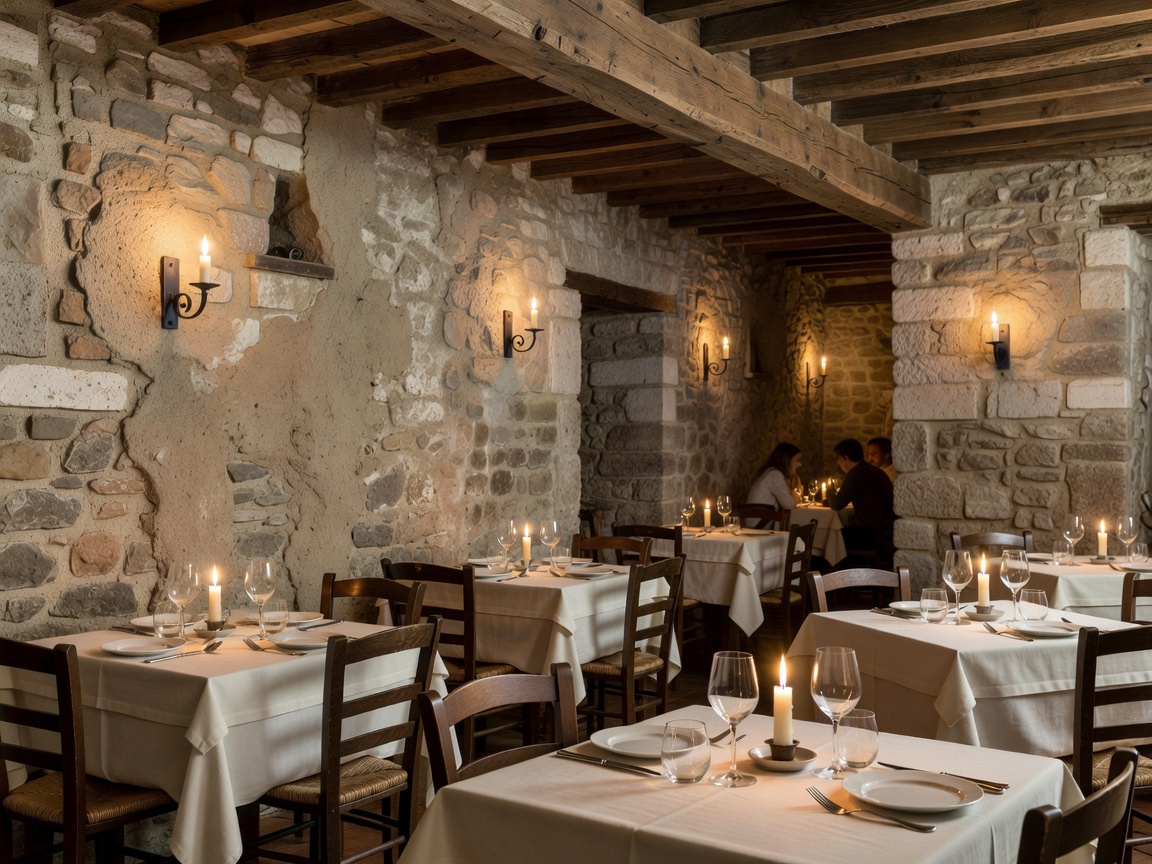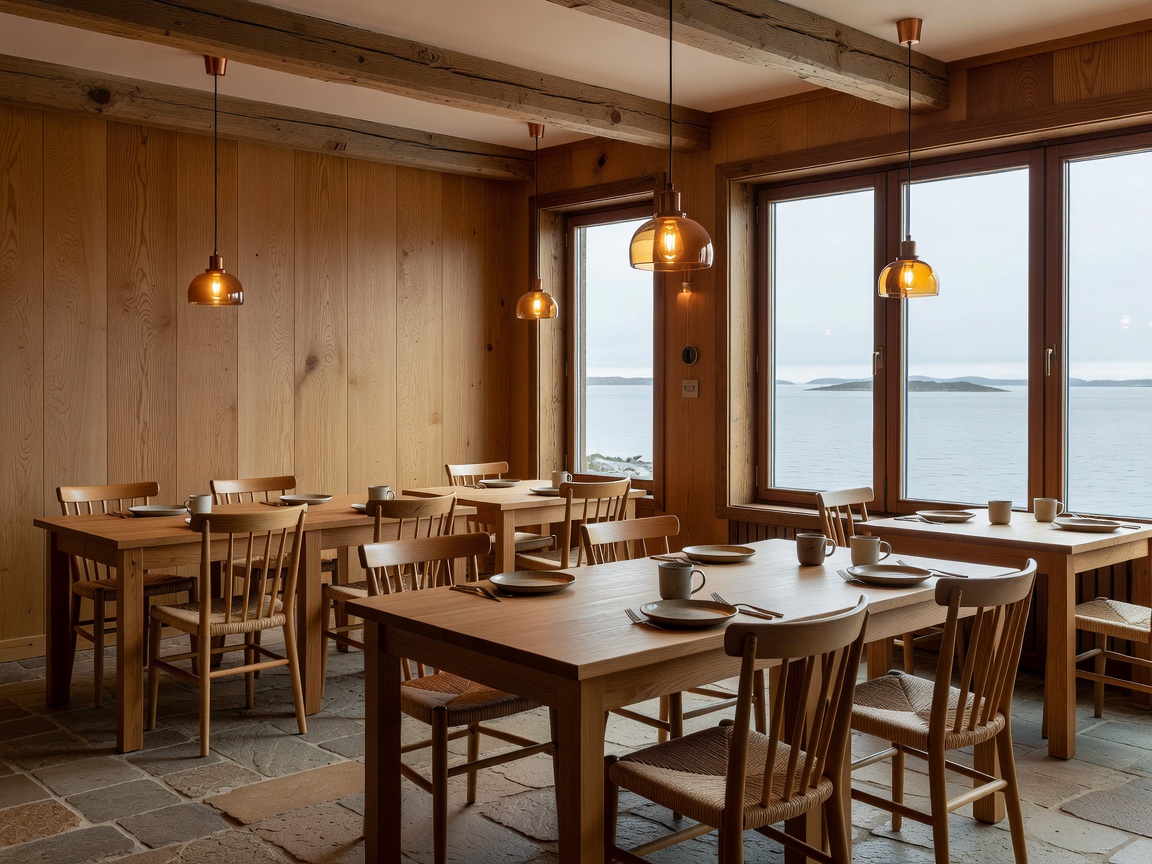
01 — Three countries, many local contexts
Do not flatten the Baltic story
Estonia, Latvia and Lithuania are often gathered under the Baltic label, which can be a helpful geographic introduction. But it should not obscure the countries’ individual languages, histories, landscapes and contemporary identities. Tallinn, Riga and Vilnius have different urban characters and food scenes. Each also contains neighborhoods that feel distinct from its central visitor routes. A discovery guide should make those differences easier to notice, not erase them with a single regional shorthand.
Food traditions reflect more than one influence. Family practices, trade, neighboring cultures, changing borders and modern migration all contribute to what people cook and eat. Regional ingredients may be used in contemporary ways, while traditional ideas can remain present in everyday meals. Neither is a complete summary of a city’s dining life. When a restaurant describes its own approach, take its language as a clue to that particular kitchen rather than a definitive statement about a whole country.
Begin with one place and a question: What do local residents do in this district? Which streets lead to markets, bakeries or cultural spaces? What does the restaurant itself say about its food? The answers can make your choices more grounded than a broad “Baltic cuisine” search alone.
02 — Ingredients, season and interpretation
Follow what the kitchen chooses to emphasize
Cold seasons, coastal settings, forests, farmland and city markets all shape the ingredients available across the region, but they do so differently from one locality to another. A contemporary kitchen might draw on local produce, preservation or a familiar flavor in a new format. Another restaurant may focus on international cooking or a menu shaped by a chef’s personal interests. These are all part of a living food culture.
Seasonality is a useful lens, not a guarantee. A menu may change with the time of year, but not every restaurant operates the same way. When available, read the current menu and look for the details that matter to you: ingredients, format, dietary information and the overall mood of the meal. If something is unclear, ask the venue. We do not invent restaurant names or claim to have confirmed specific menus, awards or hours.
Markets can help visitors understand food beyond the dining room. They offer a view of produce, everyday shopping and local routine, though a nearby restaurant’s sourcing cannot be assumed from proximity alone. Treat the market as a place to learn and observe. A walk through a residential neighborhood can be equally revealing: cafés, small shops and public spaces show how a city works outside its most photographed streets.
03 — Finding the smaller rooms
Make room for quieter routes
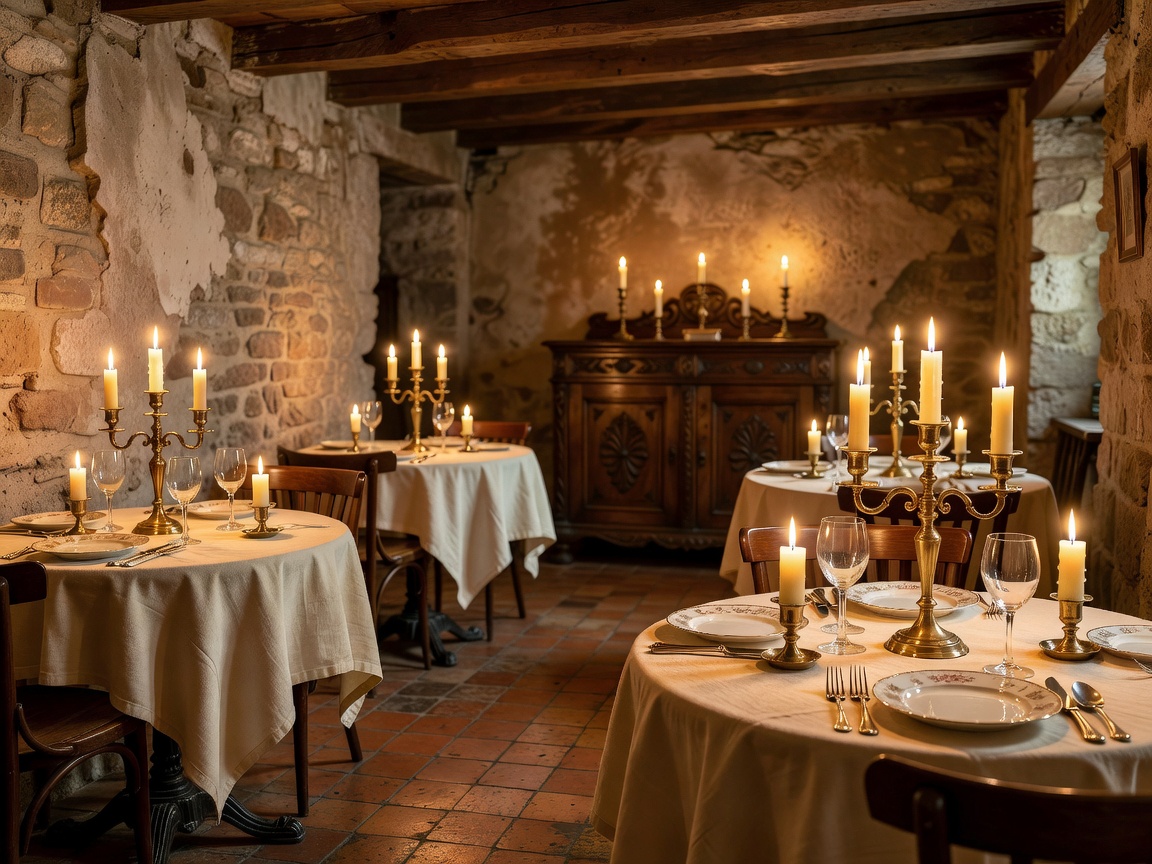
Independent dining rooms can be modest in scale and easy to miss if you stay on the busiest thoroughfares. Explore one district at a time and notice the transitions between old buildings, newer developments and everyday commercial streets. A small room may be intimate, but it can also have limited seating or particular service rhythms. Verify any access needs, opening information and reservation requirements directly with the venue before you travel.
“Under the radar” does not mean undiscovered by local people, and it should never be used to turn a neighborhood into a spectacle. Be respectful of residents and the daily life of a place. Choose restaurants because their food, setting or approach interests you—not because you expect a secret door or a guaranteed insider experience. If you rely on local recommendations, explain what you enjoy and be open to different suggestions.
Why explore this route
- Three distinct national contexts invite thoughtful comparison.
- Markets, neighborhoods and small rooms add everyday perspective.
- Contemporary and traditional influences can coexist.
What to remember
- The Baltic label is a starting point, not a uniform cuisine.
- Seasonal ingredients and menus vary by venue.
- Popular central sights are only one part of each city.
04 — A practical approach
Plan around curiosity and current information
Choose a district, identify a few dining styles and leave enough time to walk between them. Keep a flexible alternative in mind rather than assuming a single place will be open or able to accommodate every request. Check current official information for menus, access, bookings and hours. If travelling in a group, confirm details in advance and be clear about dietary needs. Do not infer that a small venue can adapt a dish without asking.
Comparison can be illuminating, but avoid ranking cities or claiming that one restaurant represents a nation. A meal is a meeting of a particular kitchen, day, room and guest. When the context fits, a modest place may be more memorable than a famous one; on another day, the reverse may be true. The discovery is valuable because it helps you notice, not because it proves a universal rule.
Good for
Travellers who enjoy contemporary regional cooking, smaller independent spaces, market culture and comparing the character of nearby capital cities.
What to know
This is general editorial context, not a verified directory. We do not claim personal visits, confirm venue operations or provide booking services. Restaurant details can change; always verify current information with the restaurant.