01 — Begin with context
A region made through exchange
Central Europe is a useful travel phrase, not a neat culinary box. Vienna, Prague, Budapest, Ljubljana, Zagreb and Kraków each sit within different national histories, local identities and contemporary food scenes. Long before today’s borders, people, ingredients, skills and ideas moved through this part of the continent. Empires, trade routes, migration and changing political boundaries influenced what was grown, preserved, sold and cooked. Those histories overlap, but they do not make every city interchangeable.
It is more helpful to see borders as part of the story than as perfect definitions of food traditions. A dish, technique or ingredient may have different meanings in neighboring places. Families and communities carry their own versions; kitchens adapt them to changing ingredients and tastes. A restaurant may honor a familiar tradition, reinterpret one, or take an entirely contemporary direction. None of those choices alone makes it more or less representative.
For discovery, use the city as your first chapter, then move outward. A central square shows one face of a place; a market street, residential quarter or neighborhood café may reveal another. Look for patterns in the setting and the menu rather than hunting for a single “authentic” answer. Food is lived culture, not a museum label.
02 — Historic rooms and everyday tables
Look past the postcard lane
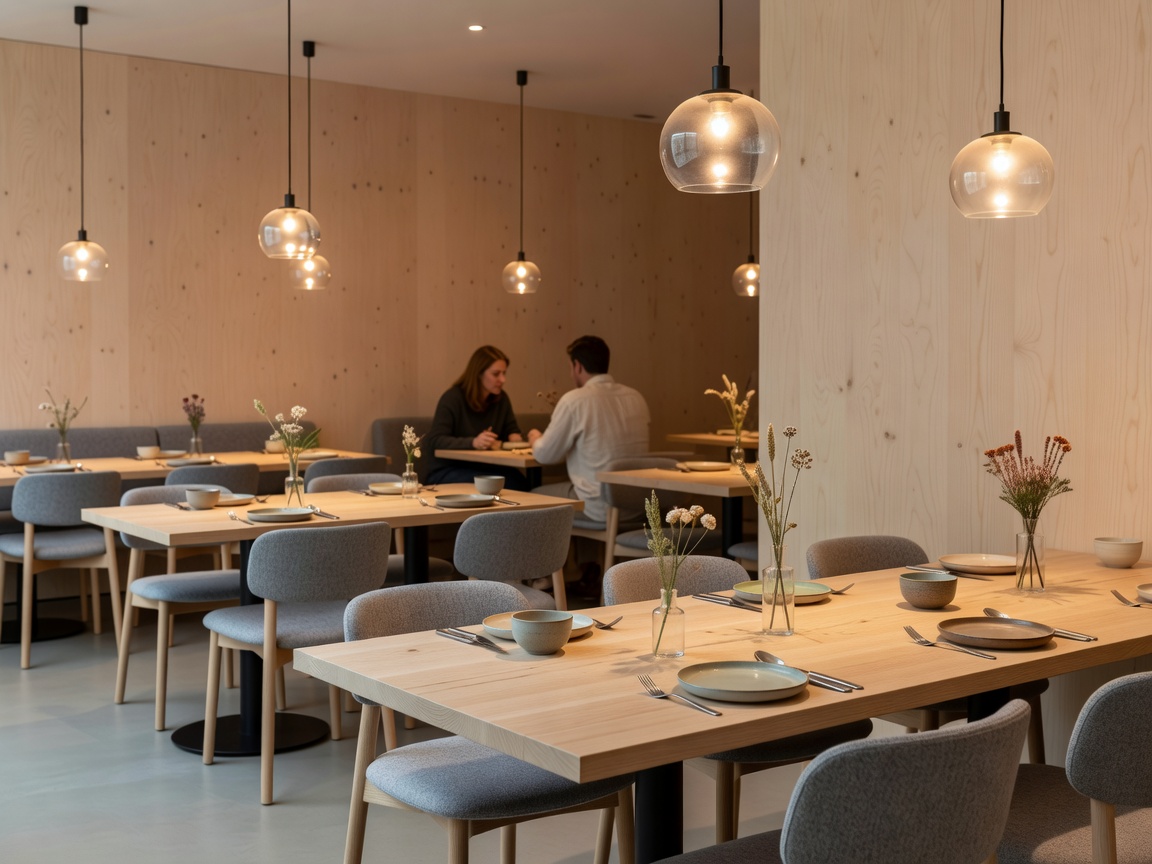
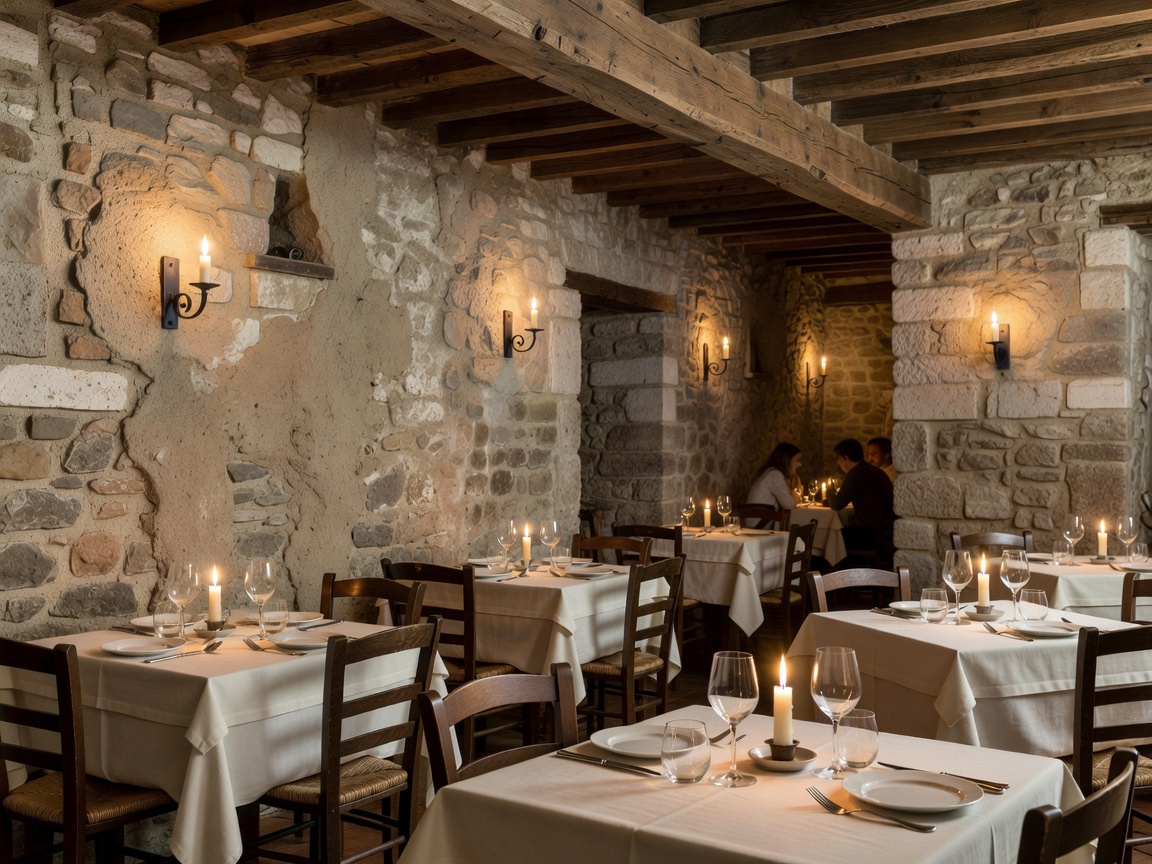
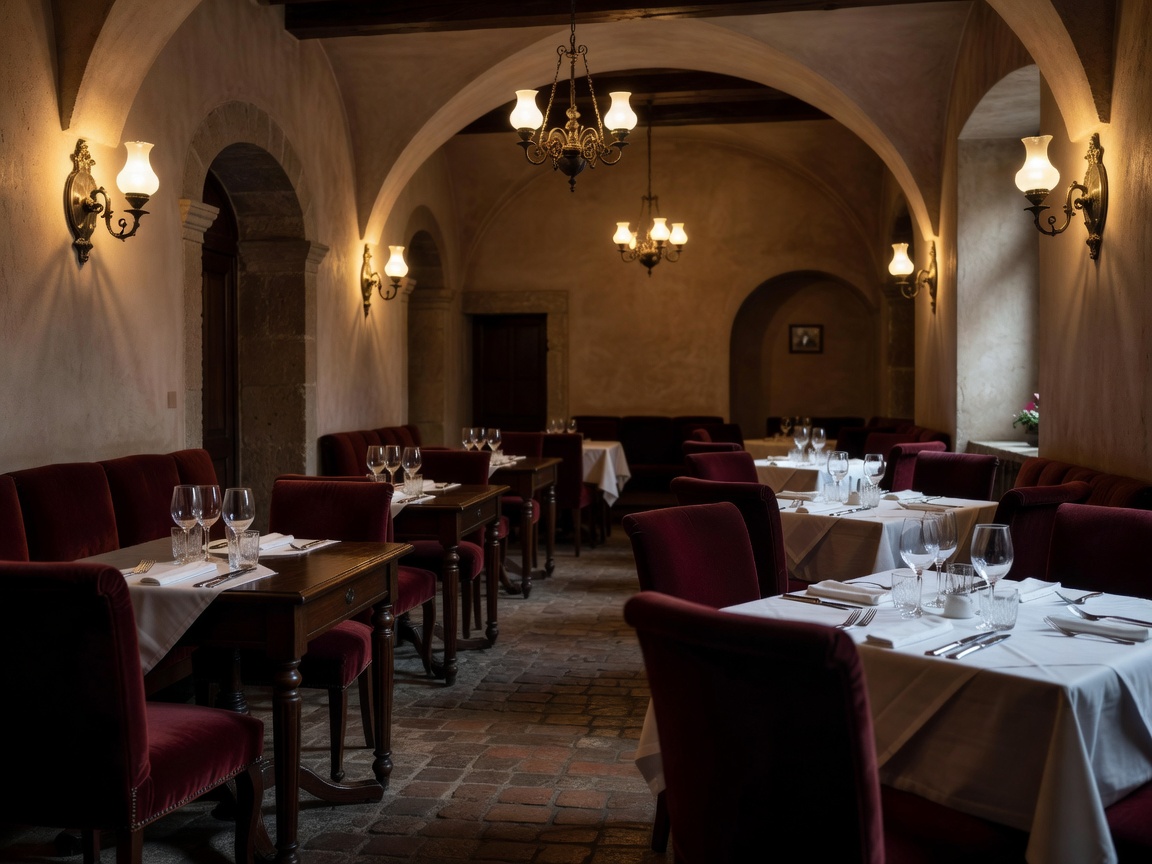
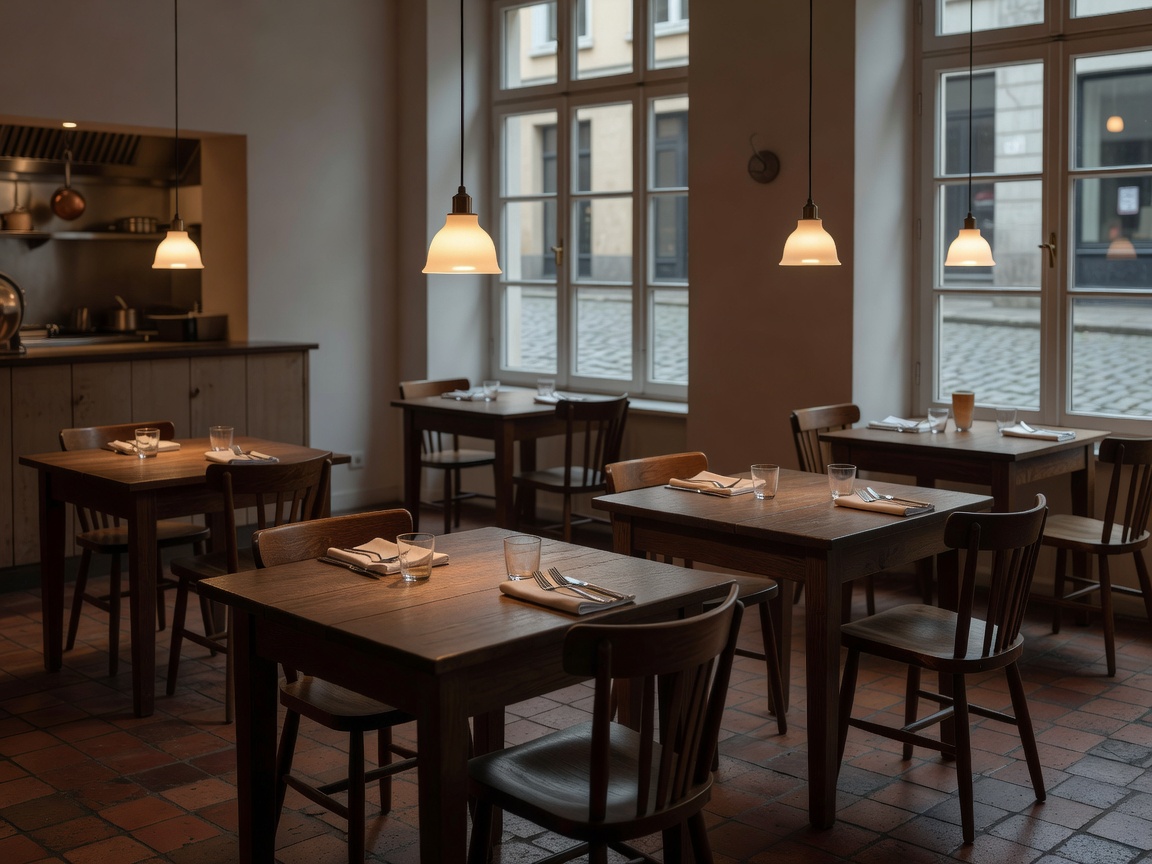
Historic dining spaces can be memorable: an old building, a cellar or an ornate interior may make the room part of the evening. Yet history is not a substitute for a meal that suits you, and a contemporary neighborhood restaurant can be just as connected to its surroundings. In Vienna, Prague or Kraków, for example, old-town architecture draws attention, while districts beyond the best-known routes can show how people eat in the present day. Budapest, Ljubljana and Zagreb each have their own urban patterns and current lives beyond their visitor landmarks.
Markets offer a useful way to understand everyday ingredients and local routines. They can be a meal destination, a morning stop or simply a place to observe what is in season. Market hours and formats vary, so verify current details locally. Nearby cafés and smaller restaurants can provide a different rhythm from a formal dining room. Consider what you want: a long dinner, something casual, a traditional-feeling setting or a modern interpretation. A little clarity makes recommendations more useful than a generic list.
When reading a menu, consider how it describes its food. Does it name a region, a producer, a technique or a seasonal ingredient? Is the kitchen drawing on local traditions or a broader international vocabulary? These are not quality scores. They are ways to understand what the restaurant wants to express and whether that sounds like your kind of meal.
03 — Practical discovery
Make room for the in-between streets
Choose one neighborhood and explore it at a human pace. Notice where people pause, whether there are food shops or cultural spaces nearby, and how the street changes after work. If you find a promising restaurant, check its current official information for opening times, menu, access and booking arrangements. Details change; an old travel mention is not a reliable confirmation. For dietary questions, contact the venue directly and allow time for a clear answer.
Language can be part of the pleasure, but do not assume that a small restaurant can explain every ingredient or accommodate every request. A short, polite question prepared in advance can help. Keep a backup option in mind, particularly during busy periods or when travelling with a group. Most of all, avoid treating “hidden” as a promise of secrecy or superiority. A less visible place may be exactly right for you; another may not. The experience is personal.
Why explore this way
- Historic context becomes more nuanced when paired with present-day neighborhoods.
- Markets and side streets add useful local texture.
- There is room for both tradition and contemporary interpretation.
What to balance
- Regional labels can blur important local differences.
- Busy landmark districts may need extra planning.
- Historic atmosphere does not guarantee a particular menu or experience.
04 — Choose your table
Good for a curious, unhurried itinerary
This route suits travellers who enjoy architectural contrasts, food histories and the way neighboring cities can tell different stories. It can also work well for repeat visitors who have already spent time around major landmarks and want to understand a district through its everyday businesses. Compare a few dining styles rather than attempting to cover every capital in one trip. Give the region room to be complicated.
Good for
Guests who value neighborhood character, historic settings, markets and regional food conversations, whether they prefer a relaxed café or a more deliberate evening meal.
What to know
Central Europe is an editorial framing, not a rigid culinary boundary. This guide does not verify current venue details, make reservations or imply restaurant endorsement. Check menus, accessibility, opening information and any booking requirements directly with the venue before you go.
For a different regional perspective, compare these cross-border stories with northern and southern dining traditions. The point is not to rank them, but to notice how place changes the questions you ask.