01 — A region of regions
Start by leaving the umbrella open
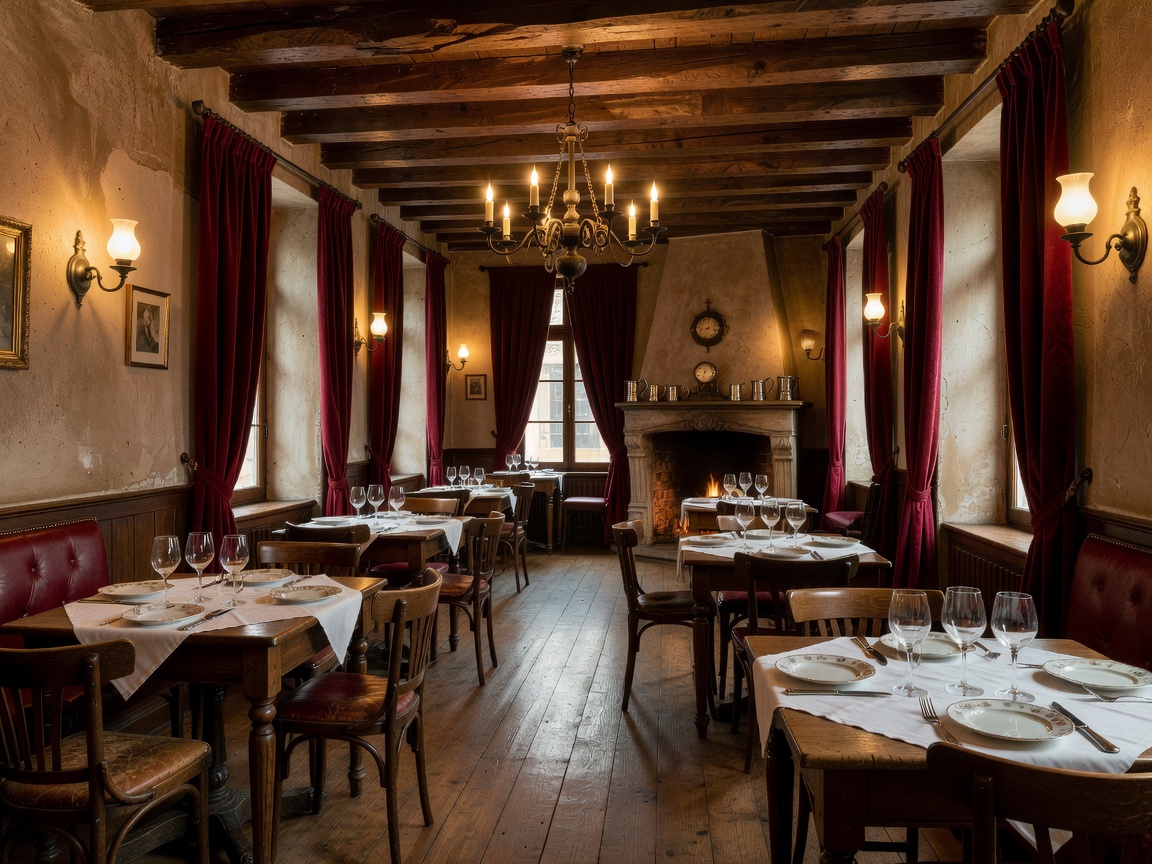
“Mediterranean” can describe a coastline, a climate, a set of shared ingredients or a broad cultural conversation. It cannot explain every meal across Italy, Greece, Spain and Portugal. Local histories, languages, landscapes and customs matter. A restaurant in a port city does not necessarily cook like one in a mountain town; neighboring regions may have distinctive ingredients and traditions even when they share a sea.
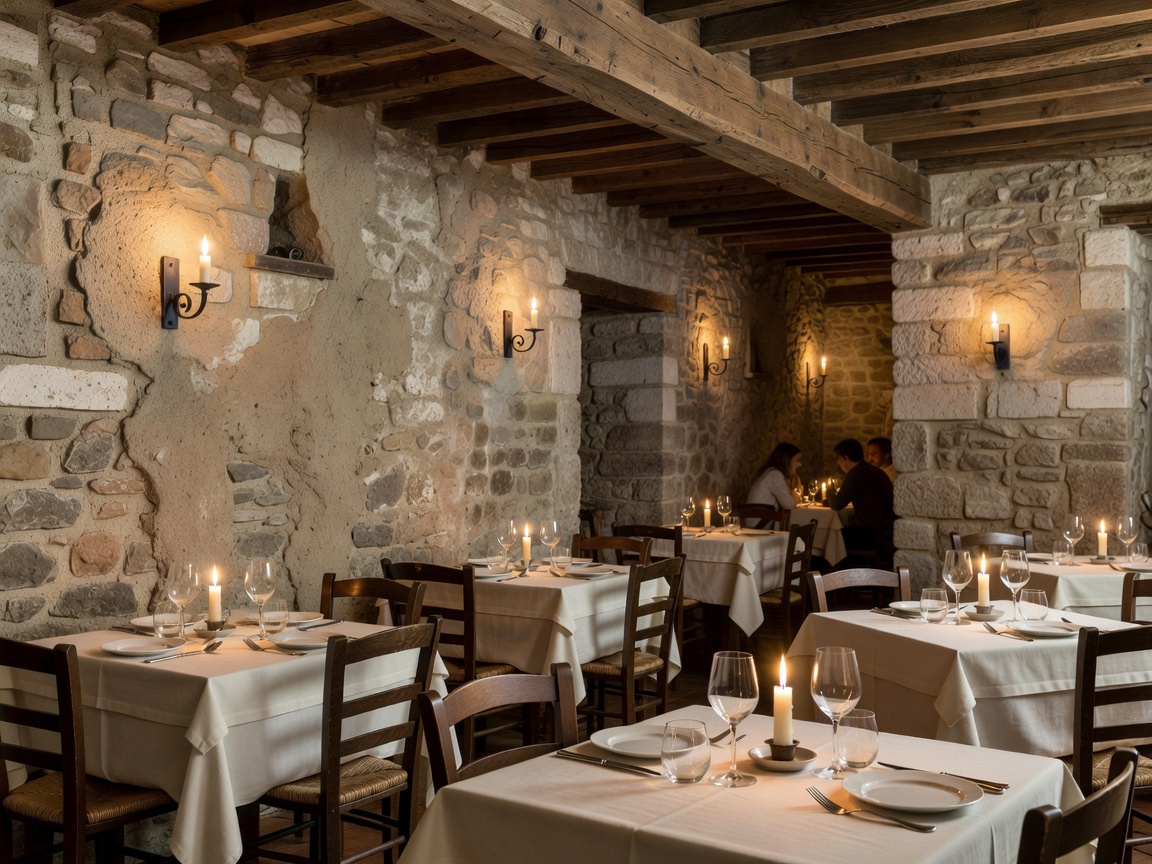
That variety makes comparison rewarding. Think of a trip as several smaller food journeys rather than a search for a single regional identity. A neighborhood restaurant might reflect a local daily rhythm; another may draw on a family tradition or a contemporary international outlook. A coastal menu can be shaped by fishing communities and markets, while an inland kitchen may have a different relationship with grains, vegetables, preserved foods or livestock. These are possibilities to explore, not rules to apply to every venue.
Local markets help make those differences visible. Notice what appears in season, what people buy for everyday cooking and how a market fits into its neighborhood. A market visit is not proof that a nearby restaurant uses a particular ingredient, but it can give you a richer sense of local food life. If you are interested in sourcing, ask the restaurant directly rather than assuming.

02 — Coast and interior
Landscape is a clue, not a menu
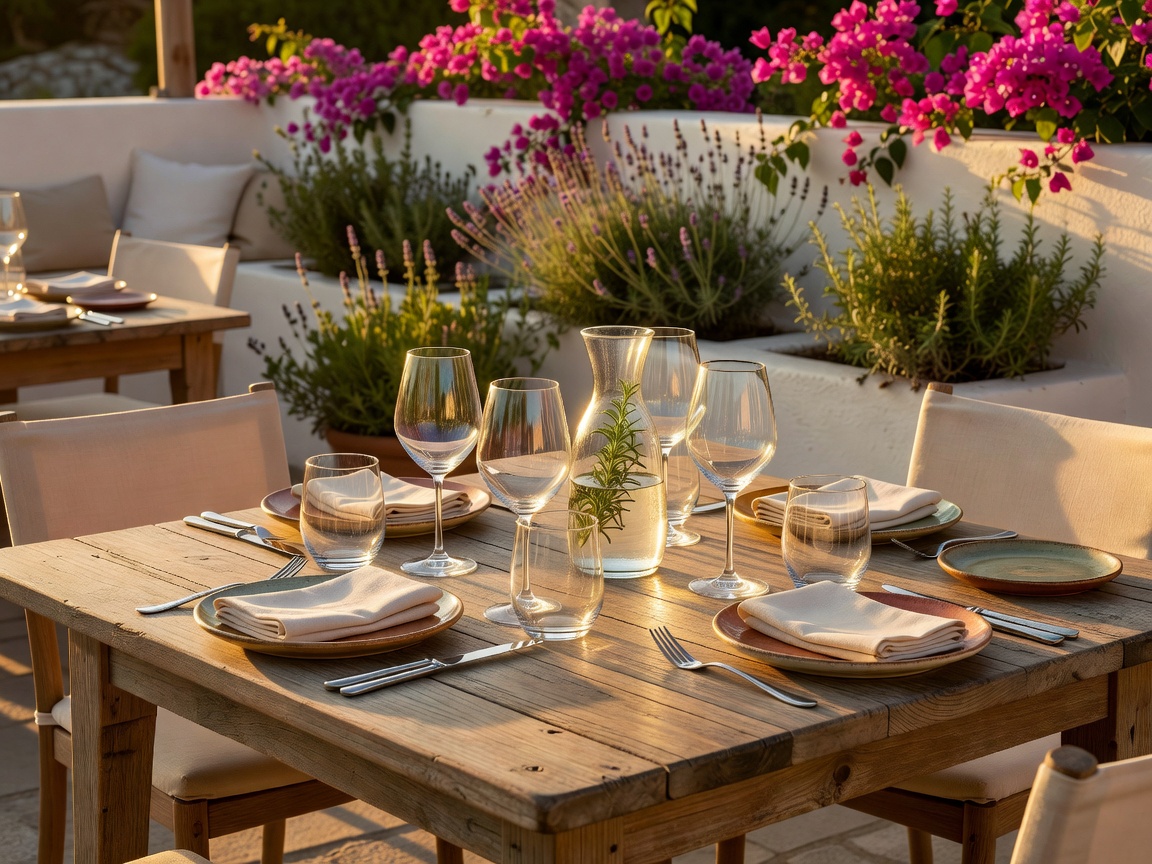
Coastal settings naturally invite questions about seafood, ports and the daily movement of ingredients. Still, proximity to water does not guarantee a seafood-focused restaurant or a particular level of freshness. Inland towns can have strong relationships with rivers, lakes, farms and markets, and often tell a very different story from the nearest resort strip. When choosing a table, ask what the restaurant is actually interested in cooking rather than relying on scenery alone.
Across the region, vegetables, grains, olive oil, pulses, herbs and preserved ingredients appear in varied forms. Their importance, preparation and place in a meal differ. The same ingredient may be treated quite differently from one locality to another. Family-run dining traditions are meaningful in many areas, but they are not a universal format; contemporary small restaurants, cafés, taverns and formal dining rooms are also part of the picture. Avoid using “authentic” as a shortcut for a style you have not taken time to understand.
Seasonality changes the experience. A town can feel different in harvest season, in quieter months or during a busy summer. The menu, dining hours and local pace may shift, but there is no single seasonal calendar for the whole Mediterranean. Check current venue information, local transport and any reservation expectations close to your visit. Do not rely on a past itinerary for details that may have changed.
03 — Neighborhood tables
Find a place that fits the day you want
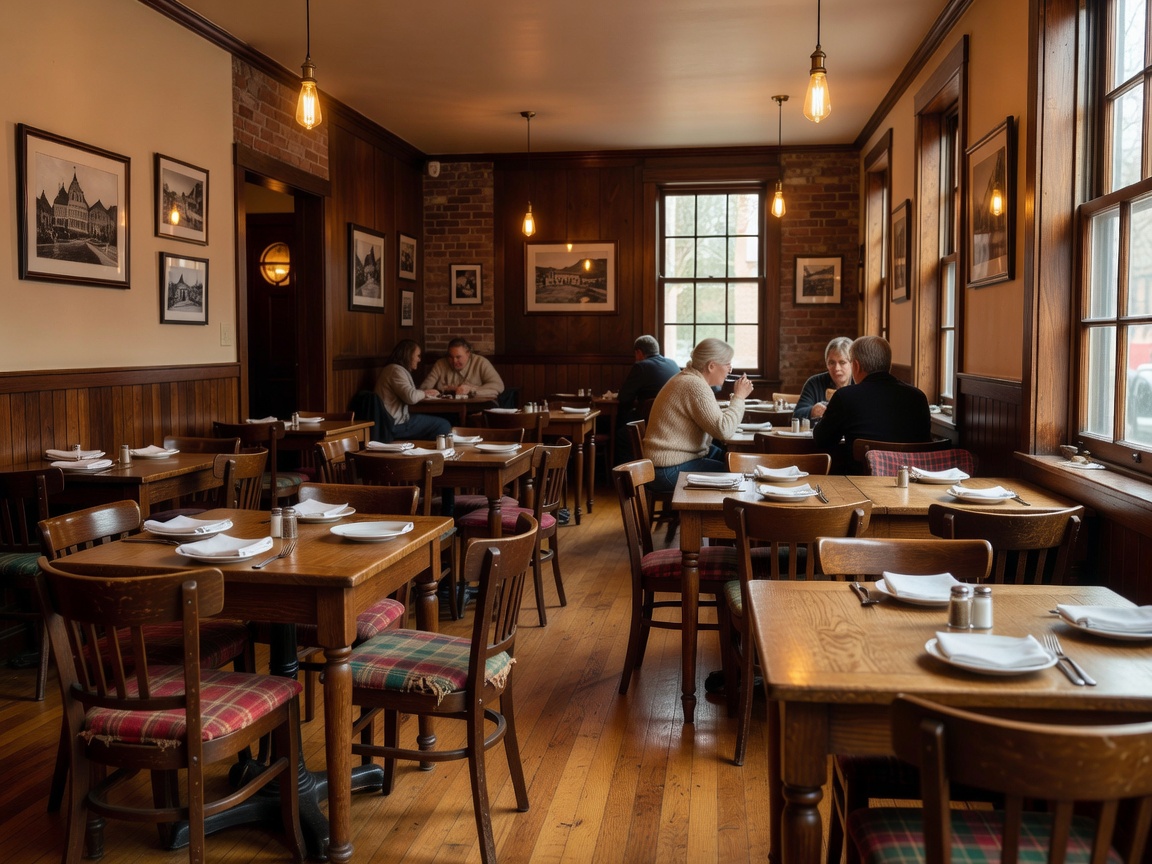
Start with the neighborhood rather than a long list of supposedly must-visit names. Is the area residential, near a market, by a working waterfront or connected to a cultural district? A restaurant can make more sense when you understand its surroundings. Then look at the menu, atmosphere and format. Would you like a quick meal, a long table, a quiet room or a lively street-facing spot? There is no need to force one experience into another.
For dietary needs, accessibility questions or uncertainty about service style, contact the restaurant directly. Menus may be seasonal or presented in a language you do not know; a venue can give the most relevant current information. It is considerate to be clear about requirements and flexible where possible. Keep a backup if timing, transport or group size matters. A memorable discovery should not depend on inventing facts about a restaurant before you arrive.
Why follow the local thread
- Coastal and inland settings create distinct questions about food and routine.
- Markets can add context to ingredients and seasonality.
- Small neighborhood restaurants offer many different kinds of experience.
What not to assume
- Every restaurant is family-run or seafood-focused.
- A sunny climate means the same menu all year.
- A quiet address is automatically a better or more “authentic” meal.
04 — Make the route yours
Good for layered, unhurried travel
This region suits people who enjoy contrasting city neighborhoods, coastlines and inland destinations. A thoughtful itinerary might include a market in the morning, a wander through a residential area and a meal that matches the day’s pace. It can also work for visitors who prefer not to plan every hour: learn the local rhythm, identify a few options and leave space to change course.
Good for
Travellers curious about regional ingredients, changing seasons, market culture, neighborhood dining and the differences between seaside and inland food settings.
What to know
This guide offers general discovery context, not restaurant listings or current operational information. We do not confirm menus, opening times, prices or booking availability. Verify those details directly with the venue and check transport and accessibility before travelling. Independent editorial coverage does not imply endorsement or partnership.
For another perspective on regional boundaries and cultural exchange, continue to the Central Europe guide. Different landscapes raise different questions; no route needs to become a ranking.